Loading...
Centralized Data Management
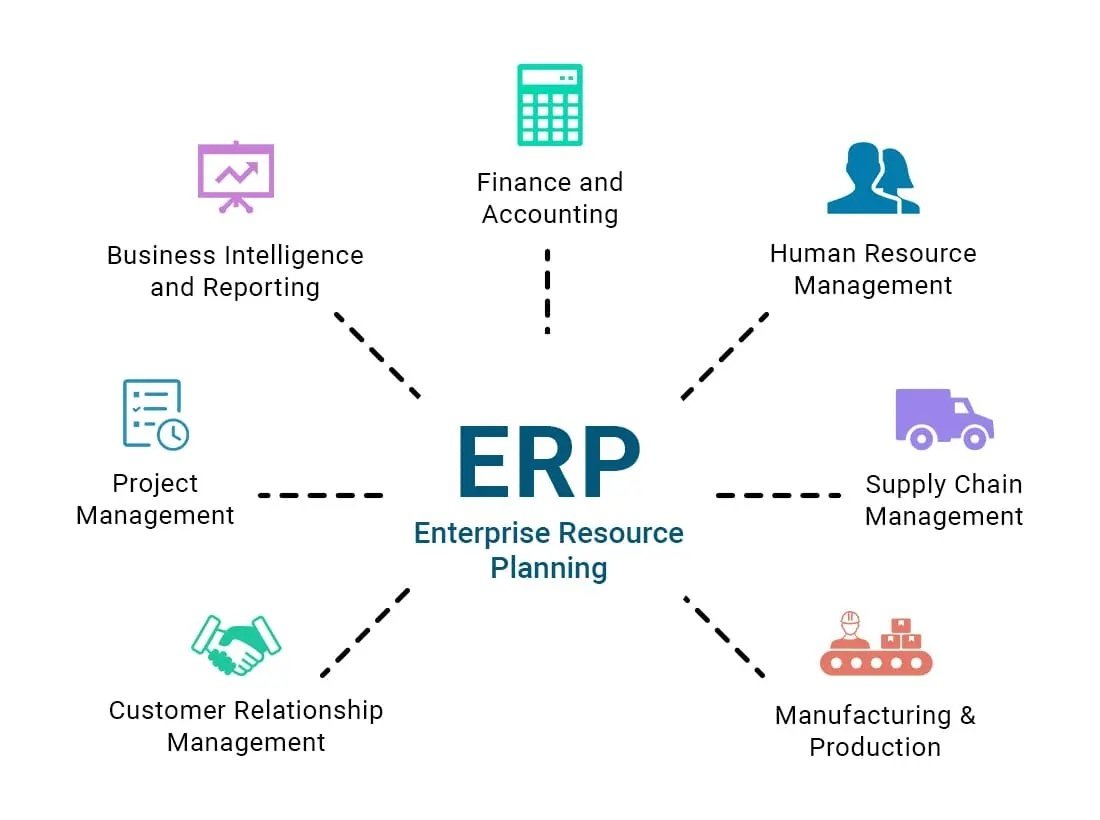
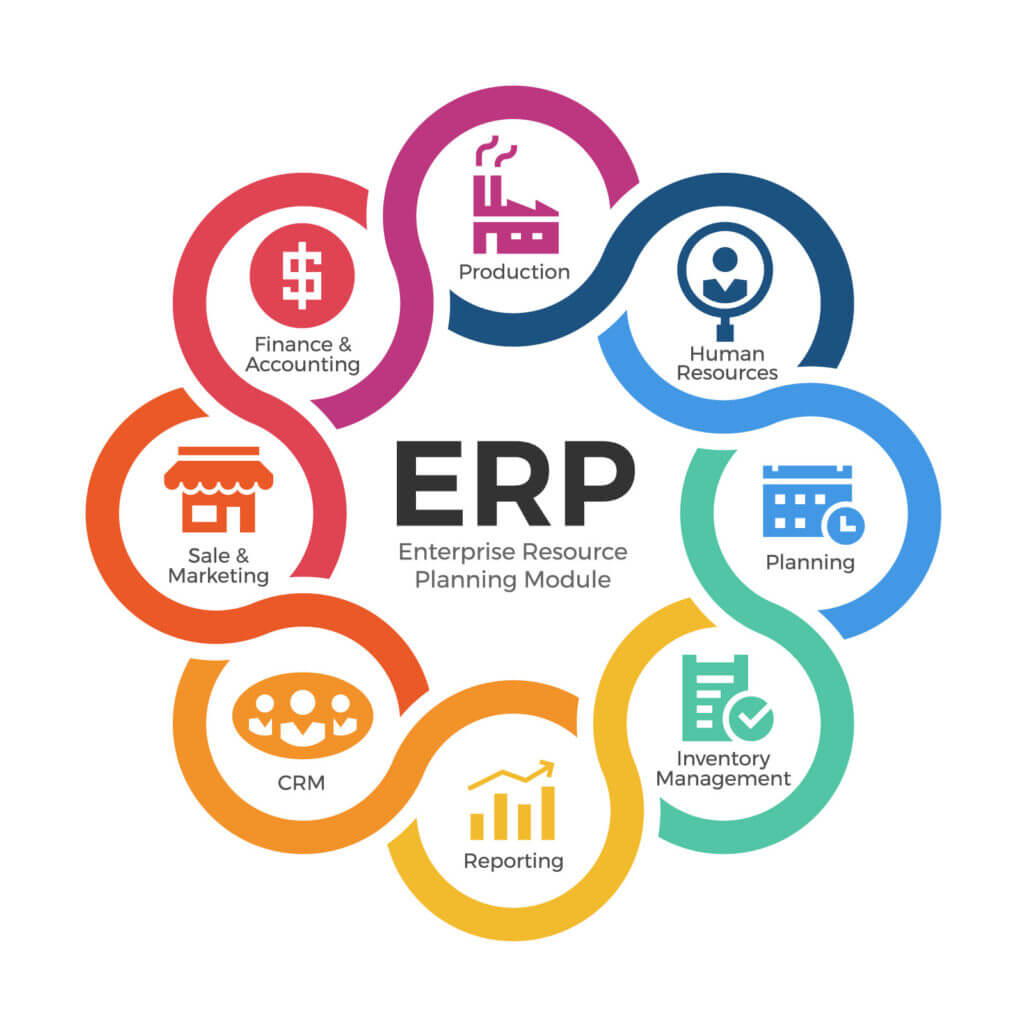
ERP combines data from different departments—such as finance, sales, HR, inventory, and operations—into a single system. This reduces data duplication and ensures accuracy.Improved Efficiency & Productivity
By automating routine tasks and streamlining workflows, ERP saves time, reduces manual errors, and helps employees focus on more strategic work.Better Decision-Making
ERP provides real-time reports and analytics, giving management clear insights into business performance and helping them make informed decisions.Enhanced Collaboration
Since all departments work on the same platform, communication improves and information flows smoothly across the organization.Cost Control & Resource Optimization
ERP helps track expenses, manage inventory efficiently, reduce wastage, and optimize the use of resources, leading to cost savings.Scalability & Business Growth
As a business grows, ERP systems can scale and adapt to new processes, users, and locations without disrupting operations.Improved Customer Service
With accurate data on orders, inventory, and customer history, ERP enables faster responses, timely deliveries, and better customer satisfaction.Compliance & Security
ERP systems help businesses follow regulatory requirements, maintain audit trails, and protect sensitive data with advanced security features.In short: ERP is needed to integrate business operations, improve efficiency, support growth, and provide better control over the entire organization.
🌐 Benefits of ERP
Here are the key benefits of ERP (Enterprise Resource Planning) systems, explained clearly and concisely: